
When Conservatives Split: Lessons from the 1959 Korean Presbyterian Divide

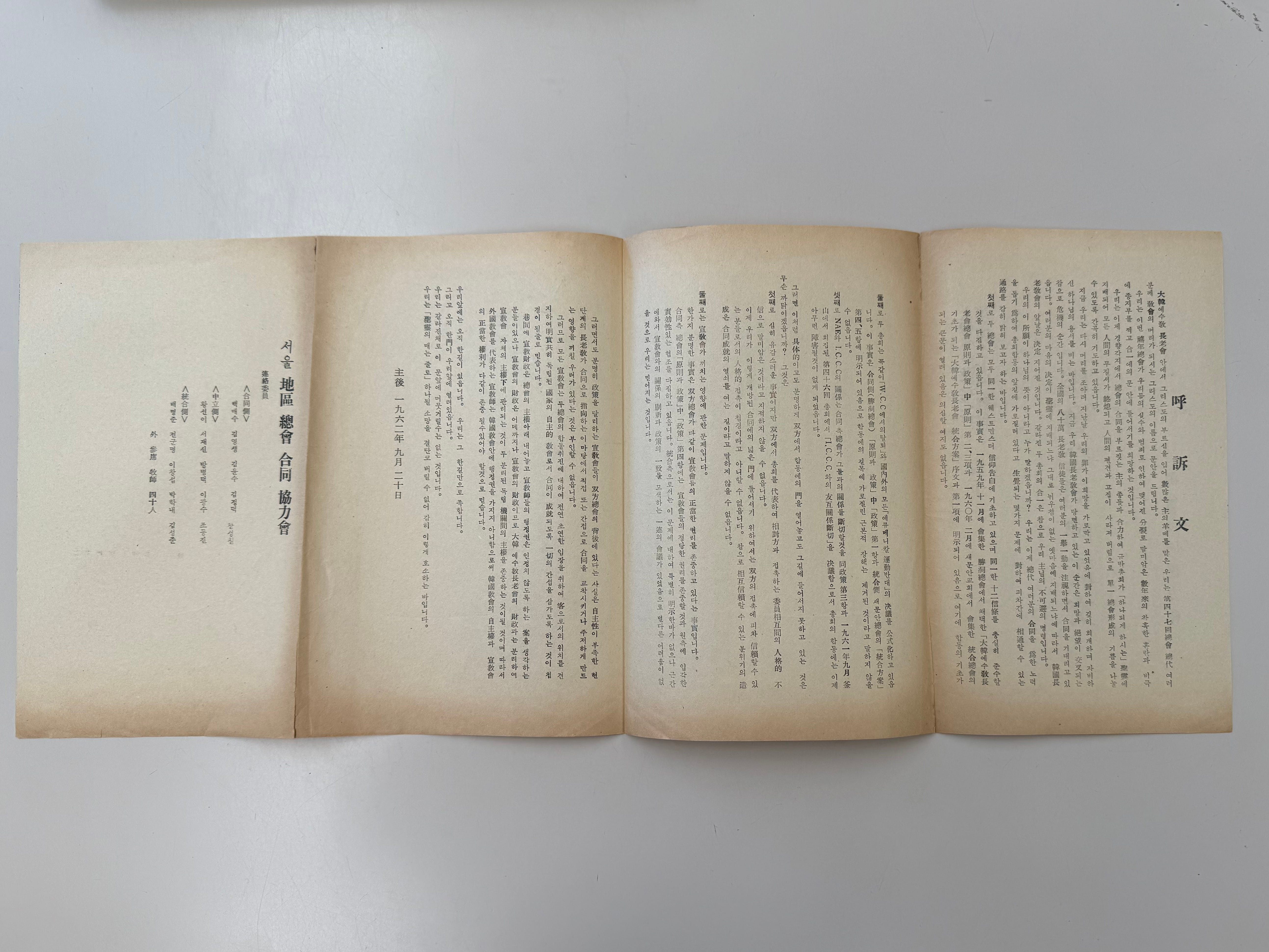
In 1965, the neo-Calvinist missiologist Harvie M. Conn wrote an article titled “Theological Trends in the Korean Presbyterian Church.” It appeared only a few years after the dramatic 1959 split among conservative Korean Presbyterians, resulting in the TongHap and HapDong denominations (each with roughly 2.5 million members as of a few years ago). At first glance, many observers assumed the conflict must have been doctrinal. Conservative Presbyterian churches usually split over theology when it pertains to confessional standards, biblical authority, or doctrinal precision. Yet the testimony Conn collects from observers tells a more complicated story.
Donald Grey Barnhouse described the Korean Presbyterian Church as deeply faithful and committed to Scripture. He noted a “wide-spread use of a system of church discipline; both life and doctrine must conform to Scripture.” In his experience, it was unmistakably a Bible-believing denomination.
Even more interesting is the statement Conn cites from L. Nelson Bell, editor of The Southern Presbyterian Journal and an influential voice in evangelical Presbyterianism. Bell argued bluntly that the core issue behind the 1959 division was not doctrinal. In fact, he said there was “probably no church in the world more conservative than the Korean Presbyterian Church.”
That’s a remarkable claim. If the church was already thoroughly conservative, then what actually caused the break?
Conn records Billy Graham’s observation to Korean Presbyterians, where Graham suggested the deeper forces behind the conflict: “Many of you have probably already rationalized that the issues are deep, when down in your hearts you know that it is pride, false information about brethren, and in some instances downright jealousy.” Those are uncomfortable words, but they expose a pattern that shows up repeatedly in church history.
Conservative Presbyterians rightly care about doctrine. Theology matters. But the danger arises when personal conflict, institutional rivalry, or cultural tribalism gets wrapped in the language of doctrinal purity. Once that happens, pride can disguise itself as orthodoxy.
The Korean Presbyterian split reminds us that doctrinal language can sometimes function like camouflage. The real conflict may be relational, political, ideological, immaturity, or personal, while the public argument centers on theological differences. None of this means doctrine is unimportant. Presbyterian history proves the opposite. But it does mean that theological seriousness must be matched by spiritual humility. Otherwise, a church can defend orthodoxy while quietly destroying its unity.
Conn’s 1965 reflections serve as a warning that remains relevant today. Conservative Reformed churches are often strongest in their commitment to truth, yet they’re also especially vulnerable to schism when pride or tribal loyalty masquerades as theological necessity. Church history has an odd sense of humor: communities devoted to unity in the truth sometimes fracture over the smallest human ambitions. Recognizing that danger may be one of the first steps toward avoiding it.